
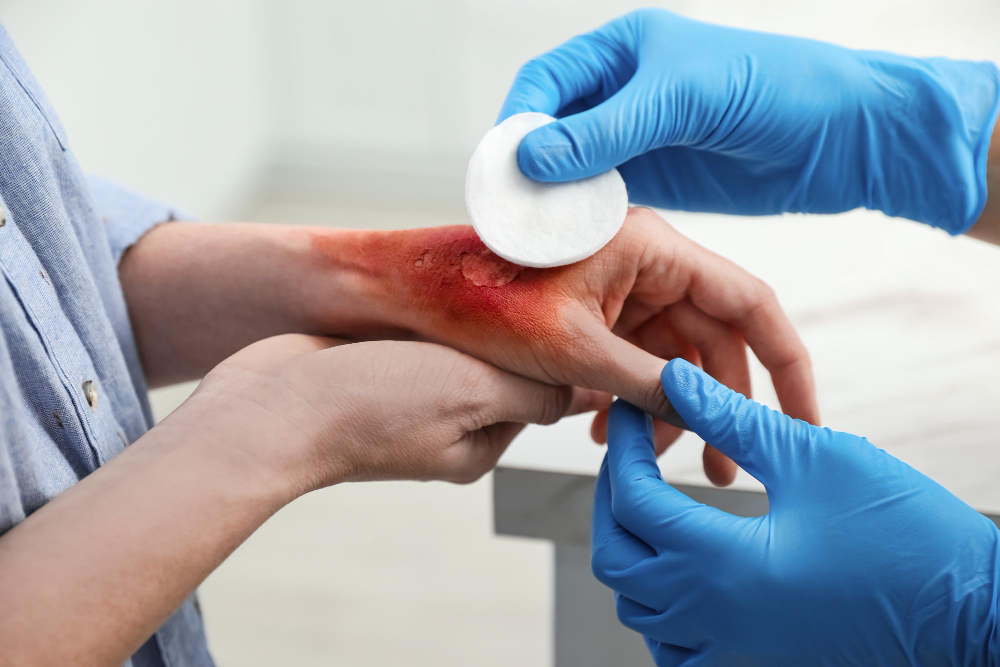
Many minor injuries can be assessed at an urgent care center, but the appropriate setting depends on their severity. A small cut that continues to bleed, a minor burn that becomes more painful, or a sprained ankle with increasing swelling may warrant professional evaluation. When choosing a walk-in clinic in Bellerose, understanding what urgent care can assess helps you decide where to seek medical attention.
Cuts, burns and sprains are different injuries, and the warning signs vary. The key is not simply whether an injury looks minor, but how it happened, how symptoms are changing and how much it affects normal movement or daily activity.
Minor Cuts: When Should You Have One Checked?
Cooking, DIY tasks, gardening, sports and everyday activities can result in small cuts and scrapes. Some can be managed with basic first aid, while others require medical assessment.
Consider having a cut assessed if you notice:
- Bleeding that is difficult to control
- A wound that appears deeper or more open than expected
- Dirt or other material in the wound
- Increasing pain around the injured area
- Difficulty moving or using the affected hand, finger, foot or another area
- Symptoms that appear to be worsening rather than settling
How the injury happened also matters. Explaining the circumstances can help a clinician determine whether wound care at urgent care or a different level of treatment may be appropriate. Heavy or uncontrolled bleeding requires emergency attention.
Minor Burns: What Should You Pay Attention To?
Burns can vary considerably, even when they initially seem manageable. Rather than trying to classify a burn yourself, focus on what you can observe.
- How large an area has been affected
- Where the burn is located
- How much pain you are experiencing
- Whether the appearance of the skin is changing
- Whether pain, swelling or other symptoms are worsening
The location and extent of a burn can be particularly important. Burns that are extensive, involve sensitive areas such as the face, hands or genitals, or cause severe symptoms need prompt emergency evaluation. If a burn appears minor but you are uncertain about its severity, a healthcare professional can help determine the appropriate setting for care.
Sprains: Why Moving the Joint Does Not Tell the Whole Story
Being able to move an injured ankle, wrist or another joint does not necessarily establish how serious an injury is. Following a twist, fall or awkward movement, pay attention to:
- Increasing swelling
- Persistent or worsening pain
- Reduced range of movement
- Difficulty putting weight on or using the injured area normally
- How forceful the injury was
- Whether symptoms improve or continue to interfere with daily activities
A healthcare professional providing urgent care in Bellerose can evaluate an appropriate minor sprain and decide whether further assessment is needed. Some injuries are difficult to judge from appearance or movement alone. NYUCC also offers minor trauma and fracture services for suitable injuries.
Three Injuries, Three Different Questions
The most useful question depends on the type of injury:
- Cut: Has the bleeding stopped, and does the wound need evaluation?
- Burn: How extensive is it, where is it located, and are symptoms worsening?
- Sprain: Can the area be used normally, and is swelling increasing?
These questions do not replace a medical assessment. They highlight the details worth considering when deciding how quickly to seek care.
What NYUCC Can Evaluate at Its Bellerose Location
New York Urgent Care Center provides walk-in medical care for appropriate non-life-threatening illnesses and injuries at its Bellerose location. Its services include assessment of wounds and minor trauma. Patients may also find NYUCC’s article on minor wound and trauma treatment useful.
NYUCC offers on-site diagnostic services, including X-ray capabilities, which may be used when a clinician determines that imaging is appropriate. Not every injury requires an X-ray.
The exact assessment depends on how the injury occurred, symptoms, changes over time and whether normal movement or function is affected.
Injuries That Should Not Wait for Walk-In Care
Not every injury is suitable for urgent care. Seek emergency medical attention for:
- Severe or uncontrolled bleeding
- Major trauma
- Severe or visibly deformed fractures
- Serious or extensive burns
- Loss of consciousness
- Significant breathing difficulties
- Severe chest pain
- Other symptoms suggesting an immediate medical emergency
If an injury or accompanying symptoms appear life-threatening, call 911 or seek emergency care rather than travelling to a walk-in clinic. Learn more about emergency care versus urgent care and when the distinction matters.
What to Tell the Clinician About the Injury
Clear details about the incident can help a clinician assess the injury. When visiting a walk-in clinic in Bellerose for an appropriate minor injury, be ready to explain:
- When the injury happened
- How the injury happened
- Which symptoms appeared first
- Whether pain, swelling or other symptoms have changed
- Whether movement or normal use of the area is difficult
- Any relevant medical conditions, medications or allergies
For example, slipping and twisting an ankle is different from developing pain without an obvious injury. Patients may also review what to expect during an urgent care visit before arriving.
Local Walk-In Care When a Minor Injury Needs Attention
A cut, burn or sprain may raise different concerns depending on the injury, its extent and how symptoms change. Choosing where to seek care should reflect those factors rather than convenience alone.
At NYUCC, we accept walk-in patients for appropriate minor injuries and offer on-site X-ray services when clinically indicated. Visit our Bellerose urgent care location for suitable non-emergency assessment, or contact NYUCC for information about available services. If the injury is severe or potentially life-threatening, seek emergency care.
Frequently Asked Questions
1. Can urgent care check a minor cut?
Urgent care may be appropriate for minor cuts needing assessment, especially when there are concerns about bleeding, wound appearance, contamination, increasing discomfort or difficulty using the injured area.
2. Can urgent care evaluate a sprain?
Yes. Appropriate minor sprains can be evaluated at urgent care. A clinician may assess pain, swelling, movement and how the injury occurred to determine whether additional evaluation is needed.
3. Does NYUCC have on-site X-ray?
Yes. NYUCC lists on-site X-ray among the diagnostic services available at its Bellerose location. Imaging is based on clinical need.
4. Can I walk into NYUCC without an appointment?
NYUCC provides walk-in urgent care, so patients seeking appropriate services can visit without scheduling a routine appointment first.
5. What injuries should go to the ER?
Severe injuries, major trauma, uncontrolled bleeding, serious burns, severe fractures or injuries with potentially life-threatening symptoms require emergency evaluation. Call 911 for an immediate emergency.
6. Where is NYUCC located in Bellerose?
New York Urgent Care Center is located at Bellerose Commons, 251-05 Jericho Turnpike, Bellerose, Queens, New York 11426.
